Roofing Contractors in Chesapeake, Virginia
Get matched with licensed local pros who know Chesapeake roofs.
Blue Gable Roofing is an independent resource; we connect Virginia homeowners with licensed local roofing pros — not a contractor.
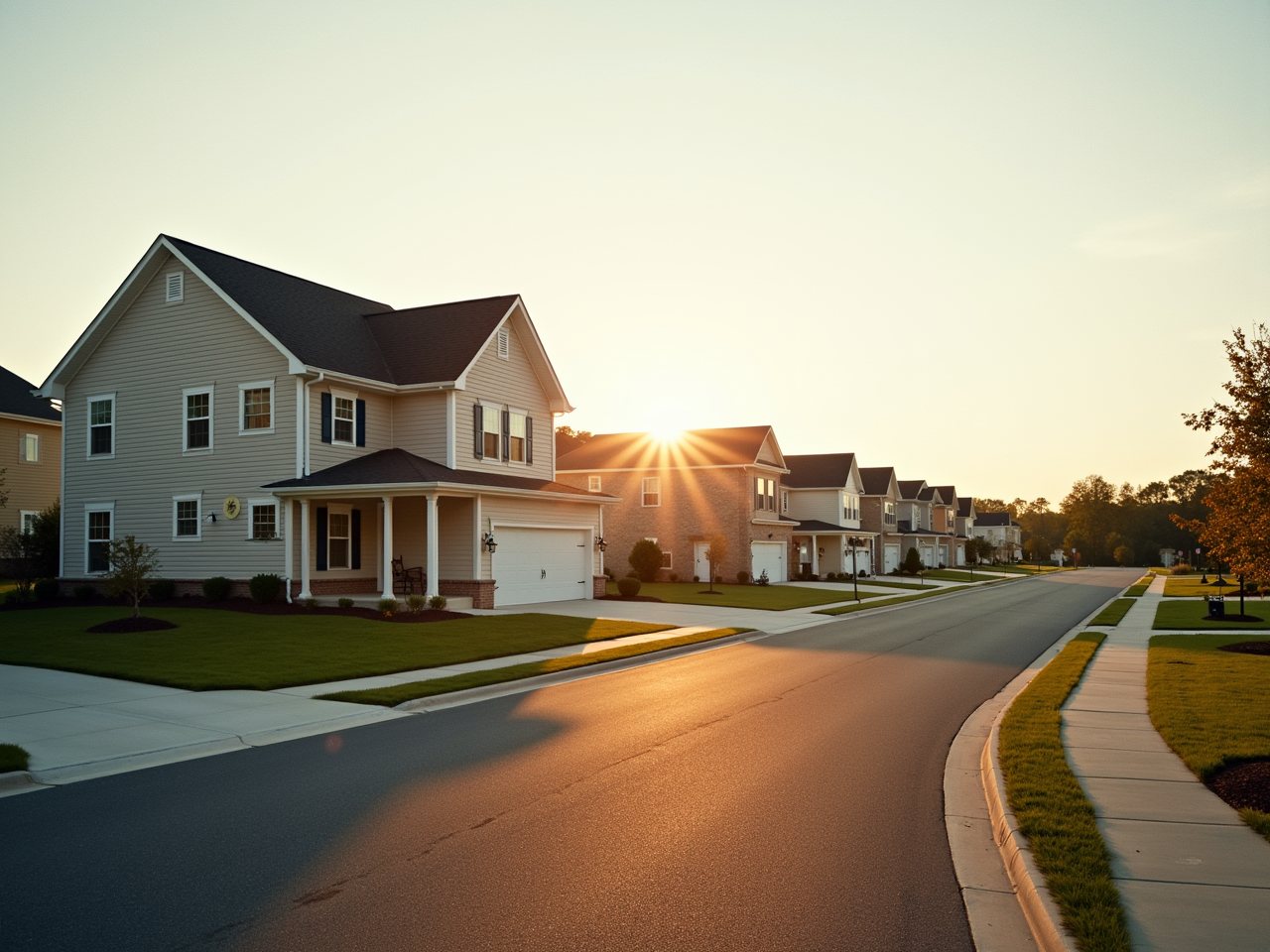
Chesapeake is Hampton Roads' growth story, and its roofs are just now reaching a milestone. Much of the city — Greenbrier, Western Branch, Great Bridge, and the newer developments spreading south and west toward the Great Dismal Swamp — was built out through the 1990s and 2000s. That means a large share of Chesapeake's asphalt roofs are hitting their first replacement age at roughly the same time. If your subdivision went up in that window, you are part of a wave of homeowners about to face this decision, and doing it well starts with understanding what a coastal-plain roof here has been through.
Reviewed & updated 2026 · Independent methodology: we don't sell roofs.
Chesapeake roofing conditions
Chesapeake sits on the flat, humid coastal plain, close enough to the water to share Hampton Roads' storm exposure without being right on the beach. That shapes the wear pattern:
- Coastal-plain wind. The city lies in the Atlantic hurricane and nor'easter track. It doesn't take a direct hit — sustained tropical and nor'easter winds work every year on shingle edges, ridges, and any fastener that wasn't installed to spec. Wind rating and proper sealing genuinely matter here.
- Humidity and algae. Long, sticky summers and low elevation feed black algae streaking on shaded slopes across nearly every neighborhood. Algae-resistant shingles are worth asking about on a replacement.
- First-generation shingle fatigue. Many builder-grade shingles installed during the 1990s–2000s growth boom were three-tab or entry-level architectural products. After two-plus decades of coastal sun and humidity, granule loss, curling, and brittleness are common — and a re-roof is the chance to step up to a better wind-rated, algae-resistant system.
Local tip: if your Chesapeake subdivision is around 20–25 years old, look at your neighbors' roofs. When several homes on the street are being re-roofed, yours is likely on the same clock — builder crews roofed the whole block in the same season with the same materials. Getting ahead of a failure beats reacting to a leak after a storm.
Common roofs in Chesapeake
Chesapeake skews newer and more uniform than the older Hampton Roads cities, which makes the roofing picture fairly consistent:
- 1990s–2000s subdivision asphalt (Greenbrier, Western Branch, Great Bridge): Moderate-pitch colonials, two-stories, and ranches with architectural or three-tab asphalt shingles — the bulk of the city, and the bulk of the first-replacement wave.
- Newer construction (south Chesapeake, Grassfield, Hickory): Ongoing growth means a steady stream of newer roofs; these mostly need maintenance and storm inspection rather than replacement yet.
- Metal on some newer and semi-rural homes: Standing-seam appears toward the city's rural edges and on homeowners prioritizing longevity and coastal-wind resistance.
HOA reality
Because so much of Chesapeake is planned subdivision, community associations are common and many govern shingle color and profile. Check your HOA's architectural guidelines and get approval before ordering material — a local pro who works these neighborhoods will have the product sheets your board needs.
Asphalt or metal for the upgrade?
For homeowners replacing a tired builder roof, the real question is often whether to re-roof in a better asphalt system or step up to metal for coastal-wind durability and a much longer service life at higher upfront cost. There's no single right answer — it depends on how long you'll stay and your budget. The asphalt vs. metal comparison lays out the trade-offs neutrally.
What it costs
We don't quote a Chesapeake price, because an honest number only comes from a licensed pro on your specific roof. Published national cost surveys give a broad range for asphalt replacement, with metal and enhanced wind systems higher; treat any figure — ours included — as a starting frame to verify against real written quotes. The Virginia roof replacement cost guide breaks those survey ranges down and shows what drives a coastal Chesapeake bid.
How we match you with local Chesapeake pros
Blue Gable installs nothing and inspects nothing — we are an independent resource that connects Chesapeake homeowners with licensed, local roofing professionals, and no roof pictured on this site is our work. The match:
- Tell us the situation: your subdivision, roof age and type, HOA involvement, and whether a storm is in play.
- We match for fit: a first-replacement re-roof that needs HOA color approval goes to a pro who handles these Chesapeake neighborhoods — not just the closest name.
- You verify: confirm the contractor's Virginia DPOR license (Class A or B), a real local address, and get wind rating, underlayment, and warranty in writing.
- You compare quotes: get more than one and compare scope, not just the bottom line.
No invented reviews, no star counts, no false urgency — just a match to a licensed local pro. Start by browsing the Virginia areas we serve or return to the Blue Gable home page.
Blue Gable Roofing is an independent resource; we connect Virginia homeowners with licensed local roofing pros — not a contractor.